American Nurse Flag Leopard Color SVG
First Impression: Bold, Playful, and Purposefully Patriotic
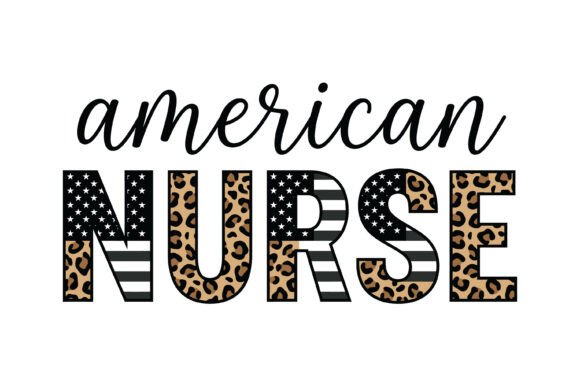
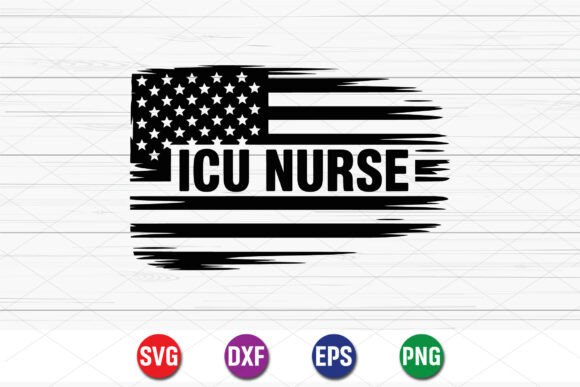
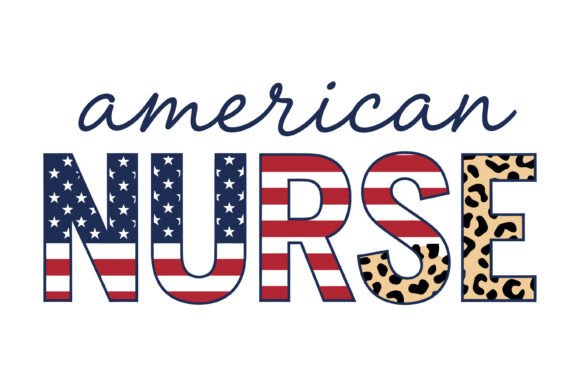
When I opened the American Nurse Flag Leopard Color SVG, I wasn’t just scanning for clean vectors—I was asking: *Does this feel like something a real nurse would wear with pride? Does it translate to thread without visual noise?* The answer is yes—but with nuance. The design layers a stylized American flag (stars and stripes simplified but unmistakable), a subtle leopard texture overlay, and bold “Nurse” script in a healthcare-friendly font. It’s not cartoonish, not overly clinical, and avoids cliché—instead, it lands somewhere between confident identity and warm professionalism. That balance makes it ideal for custom apparel and small-batch merchandise where authenticity matters.
A Real-World Test: Embroidering a Nurse-Themed Tote Bag
Last week, I prepped a medium-weight canvas tote for a local clinic’s appreciation event. I chose the American Nurse Flag Leopard Color SVG as the centerpiece—not for irony, but because nurses told me they wanted something that felt *them*: resilient, compassionate, and quietly fierce. I resized it to 4.2" wide, centered it on the front panel, and ran a test stitch on scrap fabric first. The layout held up beautifully: the flag’s vertical stripe rhythm guided the eye upward, the leopard texture added dimension without overwhelming, and the script remained legible at that scale. Customers later commented how “it didn’t look like clip art”—a quiet win for any embroidery designer or Etsy seller building trust through thoughtful detail.
Where It Shines—and Where It Needs Thoughtful Handling
The American Nurse Flag Leopard Color SVG excels on stable, mid-weight fabrics: cotton tees, denim jackets, twill aprons, and structured sweatshirts. Its moderate detail level means it stitches cleanly with standard fill and satin stitches—no excessive jump stitches or fragile underlay traps. As a machine embroidery design, it reads well even with modest thread contrast (e.g., navy thread on heather gray). On baby onesies or nursery pillow covers? Yes—but only if you reduce size slightly and confirm the script remains legible after stitching. For holiday embroidery or personalized gifts like graduation caps or embroidered tea towels, it adds recognizable meaning without feeling dated.
That said, proceed carefully with stretchy knits, ultra-thin voile, or dark fabric backgrounds unless you’ve tested thread color contrast thoroughly. The leopard texture works best when it’s *suggested*, not rendered pixel-for-pixel—so avoid pushing it into tiny hoop sizes (<3") where fill stitch density could blur the pattern. Curved surfaces like baseball caps demand repositioning and possibly light digitizing tweaks; the current layout assumes flat application. And while the “Healthcare Script” element is clear in vector form, tiny lettering in satin stitch can feather on low-stabilizer runs—always pair it with medium-cutaway stabilizer on soft fabrics.
Design Integrity Meets Commercial Reality
As a craft business owner who sells embroidered patches and custom apparel, I pay close attention to how a digital embroidery file affects perceived value. This one lifts the product—it feels intentional, not generic. When stitched onto a boutique-style kitchen towel or an embroidered patch for a nursing school reunion, it signals care in curation. Buyers notice that. They also notice when script letters are uneven or stars bleed into stripes; this design avoids both pitfalls. Its layered theme (patriotism + profession + personality) resonates across audiences: veteran nurses appreciate the flag’s dignity, newer grads connect with the modern edge, and gift buyers respond to its warmth.
For Etsy sellers and small shop owners, that resonance translates directly to engagement. Listings featuring the American Nurse Flag Leopard Color SVG in realistic mockups—especially on textured fabric or lifestyle shots—see stronger click-through. It’s versatile enough for printable mockups, yet distinctive enough to stand out in saturated niches like T-Shirt Designs or Graphics for healthcare professionals.
Practical Notes Every Embroidery Designer Should Run Through
- Test first: Stitch on scrap fabric matching your final garment’s weight and stretch—even if it’s “just a tote.” Leopard texture behaves differently on duck canvas vs. brushed poly.
- Check thread colors: Try the design in black thread on white fabric and white thread on navy. Does the script pop? Do stripes separate cleanly?
- Review stitch density: Zoom into the PDF or SVG preview. Are star points tight? Does the flag’s stripe spacing hold at your target size?
- Confirm hoop size: The original layout fits comfortably in a 5x7 hoop—but verify before batching orders.
- Inspect corners and curves: Especially where script meets flag elements. Running stitch outlines help define those edges in final embroidery.
- Mock it in grayscale: A black-and-white printable mockup reveals contrast issues invisible on screen.
- Stabilizer match matters: Use cutaway for knits, tear-away for stable wovens. Skip lightweight mesh—it won’t support the fill areas evenly.
- Licensing check: Since the design includes “Medical” and “Healthcare” references, confirm commercial use rights before selling finished products or bundling as design assets.
Final Thought: A Design That Earns Its Place
The American Nurse Flag Leopard Color SVG isn’t just another patriotic graphic—it’s a conversation starter, a badge of identity, and a practical embroidery project that holds up under real-world conditions. It works because it respects the craft: no overcomplicated fills, no fragile details, no visual clutter. Whether you’re stitching a single personalized gift or producing small-batch embroidered patches for a nursing association, this design delivers clarity, character, and quiet confidence. Just remember: great embroidery starts with smart prep—not just pretty files. Run your tests, honor your fabric, and let the design speak for itself.