Graduation Nurse Life SVG PNG
A Designer’s First Look: Playful, Proud, and Purpose-Built
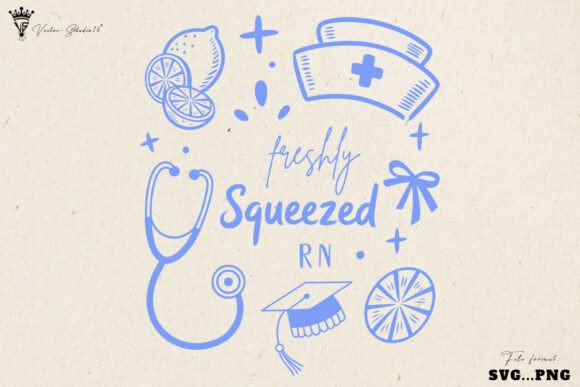
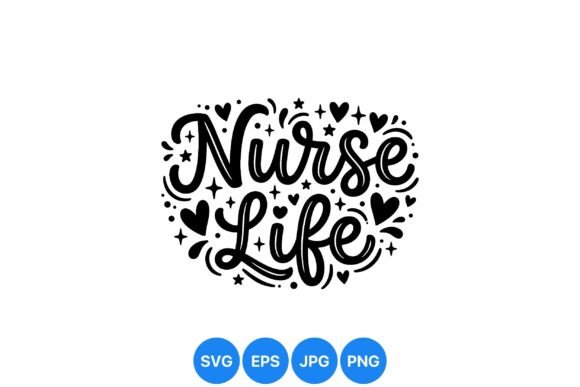
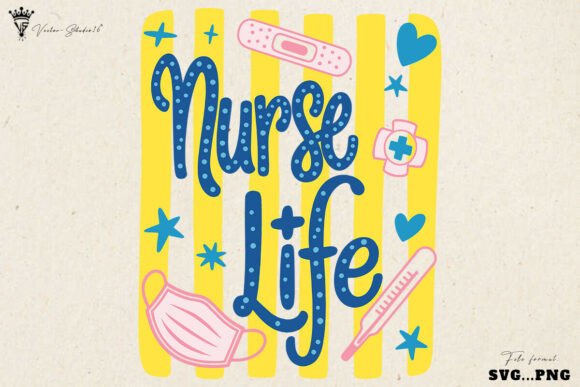
When I opened Graduation Nurse Life SVG PNG, my first thought wasn’t “cute”—it was “recognizable.” That matters. In embroidery, especially for personalized gifts or small shop merchandise, instant visual connection builds trust before a single stitch fires. The layout balances bold, rounded typography with friendly medical icons—stethoscope, heart, caduceus—arranged like a cheerful badge rather than a cluttered collage. It feels celebratory without leaning into cliché, which is rare for graduation-themed designs. As an embroidery designer who’s stitched hundreds of nurse-themed pieces—from cap bands to baby onesies—I immediately saw where this would land best: on soft, structured items where personality shines but precision isn’t compromised.
Where It Stitches Best (and Why)
I tested Graduation Nurse Life SVG PNG as the centerpiece for a custom embroidered canvas tote bag—intended as a graduation gift for a new RN. On medium-weight natural canvas with tear-away + cut-away stabilizer, the design held crispness across all elements. The playful font remained legible at 4.5" wide, and the icons retained charm without bleeding or distortion. That’s a strong signal it’ll translate well to sweatshirt embroidery, aprons, and pillow covers—surfaces with gentle texture but enough stability to support moderate detail.
It also worked beautifully as a small-batch embroidered patch. Because the SVG includes clean vector outlines (not raster-heavy PNGs), converting to an embroidery file gave me control over satin stitch direction on the heart icon and consistent fill stitch density across the lettering. For Etsy sellers or craft fair vendors, that means fewer re-stitches, faster turnaround, and more consistent finished product quality—especially when listing multiple colorways.
On baby embroidery? Yes—but with nuance. I stitched it onto a lightweight cotton knit onesie using lightweight stabilizer and reduced top tension. The result was soft, flexible, and safe for sensitive skin. The design’s open spacing between letters and icons prevented dense thread buildup, which is critical for infant wear. Holiday embroidery? Think graduation-in-December—pair it with a cozy knit blanket or tea towel for a thoughtful, seasonally flexible gift.
Where to Proceed With Care
Graduation Nurse Life SVG PNG isn’t built for micro-detail work. Don’t push it below 3" wide on curved surfaces like baseball caps—the rounded font corners soften, and fine interior lines in the stethoscope can blur. On stretchy fabric (think jersey tees), stabilize aggressively and consider simplifying the inner icon details if your machine struggles with tight curves at low scale.
Dark fabric demands attention too. The original PNG suggests bright colors, but in embroidery, thread contrast is non-negotiable. Test black thread on navy fabric—you’ll likely need white or light gray for the lettering and key icons to pop. Likewise, avoid layering this design over textured surfaces like heavy terry cloth or quilted jackets unless you’re willing to add extra stabilizer and adjust stitch density manually.
Tiny lettering is another watch point. While the main phrase reads clearly at recommended sizes, smaller secondary text (like optional “RN 2024” tags some versions include) may vanish in fill stitch. If your version includes fine decorative accents—dots, tiny stars, thin underlines—inspect them closely in your embroidery software. They may need manual cleanup or conversion to running stitch for reliability.
What This Design Says About Your Brand—Before You Stitch a Single Thread
Using Graduation Nurse Life SVG PNG signals warmth, pride, and professionalism—not just “nurse stuff.” Customers don’t buy icons; they buy meaning. A new grad choosing this for her first embroidered lab coat isn’t buying decoration—she’s claiming identity. That emotional resonance lifts perceived value, especially in handmade product listings or boutique branding. On Etsy, it performs well alongside complementary design assets—think matching digital mockups or printable gift tags—because its tone is cohesive, not chaotic.
But authenticity hinges on execution. If the satin stitch on the heart looks muddy or the “Nurse Life” letters lose shape after washing, the whole impression collapses. That’s why I always recommend stitching a test run on scrap fabric *first*, then laundering it gently and checking for puckering or fraying. Real-world durability—not just screen appeal—builds repeat buyers and word-of-mouth referrals.
Practical Notes Every Embroidery Designer Should Keep Handy
- Always verify file integrity: Open the SVG in your vector editor—check for stray anchor points, overlapping paths, or embedded raster layers that could complicate digitizing.
- Test thread color contrast early: Run black-and-white mockups to assess legibility on both light and dark backgrounds before committing to thread spools.
- Confirm hoop size compatibility: Measure the design’s widest point and compare it to your most-used hoops. If it’s borderline, consider slight proportional scaling—not stretching—to preserve proportions.
- Inspect small details at 200% zoom: Look for hairline gaps, disconnected strokes, or overly tight corners that may cause jump stitches or thread breaks.
- Stabilizer choice matters: For apparel, use medium-weight cut-away. For towels or bags, try tear-away with light spray adhesive. Skip basic iron-on for anything washable.
- Licensing clarity is essential: Since this falls under Illustrations and Graphics, confirm whether commercial use (e.g., selling finished embroidered totes) is permitted—and whether resale of the digital embroidery file itself is allowed. When in doubt, contact the seller directly.
Final Thought: A Design That Earns Its Place
Graduation Nurse Life SVG PNG doesn’t shout. It smiles, nods, and fits right in—on a graduation cap, a baby’s onesie, or a boutique’s holiday gift bundle. It’s not the flashiest embroidery file in your library, but it’s one of the most reliably useful. For craft business owners, Etsy sellers, and custom apparel decorators, that consistency—across fabric types, stitch counts, and customer expectations—is gold. Just remember: great design starts with intention, not automation. Stitch it thoughtfully, test it honestly, and let the pride in the finished product speak for itself.