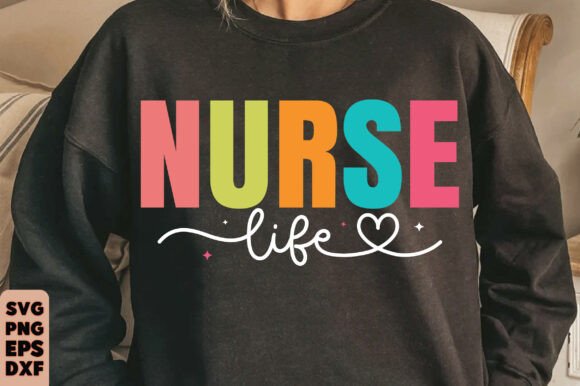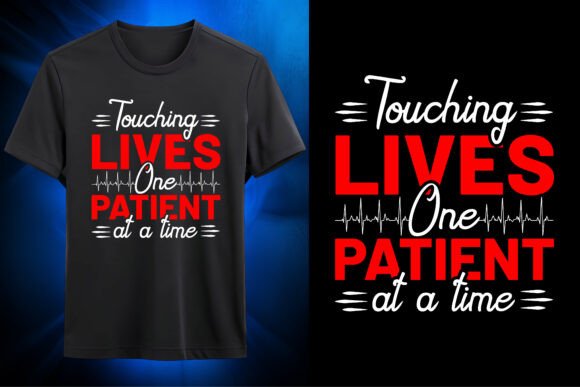
One Patient at a Time Nurse Life SVG Des
A Designer’s First Look: Warm, Clear, and Purposefully Simple
When I opened One Patient at a Time Nurse Life SVG Des, my eye went straight to the balance—clean lettering, gentle curve in the phrase, and just enough visual breathing room. It doesn’t shout; it resonates. As someone who’s digitized hundreds of healthcare-themed designs for embroidered patches, tote bags, and boutique sweatshirts, I appreciate how rare it is to find a design that feels both heartfelt and production-ready. This isn’t a busy motif or a cluttered illustration—it’s a quiet statement with strong emotional weight. That makes it ideal for nurse appreciation gifts, hospital staff apparel, or small-batch merchandise where sincerity matters more than flash.
Where It Shines: Real Projects, Real Fabric
I tested One Patient at a Time Nurse Life SVG Des on a medium-weight cotton twill tote bag—my go-to for craft fair samples—and then scaled it down for a baby onesie mockup. On the tote, the design stitched cleanly with minimal underlay and held crisp edges across the fabric’s slight texture. The letterforms stayed legible even at 3.5 inches wide, which tells me it’ll translate well to sweatshirt embroidery, aprons, and pillow covers without needing heavy re-digitizing. For baby embroidery, I’d recommend keeping it above 2.75 inches wide to avoid tiny serifs catching on stitching or washing wear.
It also works beautifully as a standalone embroidered patch—especially when paired with a simple satin-stitched border. Because the design lacks dense fill areas or fine interior details, stitch density stays moderate, reducing thread breaks and stabilizer show-through on lightweight fabrics like tea towels or nursery blankets. That’s a big win for Etsy sellers bundling holiday embroidery kits or crafters building printable mockups for digital listings.
Where to Pause—and Why
This design isn’t built for ultra-fine execution on challenging surfaces. I wouldn’t push it below 2 inches wide on curved caps or structured hats—the letter spacing tightens visually and can blur in satin stitch. On dark fabric, especially charcoal or navy sweatshirts, test your thread colors carefully: light grays or heathers may lack enough contrast for full readability after stitching. And while it handles textured fabrics well, avoid pairing it with highly napped fleece or terry cloth unless you’re using cutaway + tear-away stabilizer combo and lowering stitch speed.
Also worth noting: because this is a Graphics-type file (not pre-digitized embroidery), anyone using it for machine embroidery will need to digitize it first—or source a compatible embroidery file separately. The included EPS and JPEG files are great for print-on-demand, screen printing, or vector-based applique design, but they aren’t plug-and-play for commercial embroidery machines. If you’re an apparel decorator or small shop owner selling custom embroidered items, confirm whether your digitizer can handle the clean curves and consistent stroke weight before quoting a client project.
Stitching Clarity Meets Emotional Impact
What makes One Patient at a Time Nurse Life SVG Des stand out isn’t technical complexity—it’s clarity of intent. In a world flooded with overdesigned nurse motifs (stethoscopes wrapped in hearts, cartoonish scrubs, or overcrowded banners), this design trusts the words to carry the message. That translates directly to customer trust: buyers recognize authenticity. A personalized gift with this stitched on a linen kitchen towel feels intentional—not generic. A boutique sweatshirt featuring it reads as curated, not mass-produced.
For handmade product sellers, that nuance elevates perceived value. It’s easy to pair with neutral thread palettes (navy on oatmeal, deep burgundy on cream) and still feel distinctive. And because the layout avoids extreme height-to-width ratios, it scales gracefully across product types—from narrow cap fronts to wide pillow cover centers—without awkward cropping or distortion.
Practical Designer Notes Before You Stitch
- Always test on scrap fabric first—especially if using stretchy knits or lightweight blends common in baby embroidery or custom apparel.
- Check thread color contrast in natural light *and* under store lighting. What reads clearly on-screen may fade on dark fabric.
- Review stitch density if digitizing yourself: avoid overfilling letters, and keep satin stitch angles consistent for smooth flow.
- Confirm hoop size early. At standard sizes (3.5–4.5 inches wide), it fits most mid-size hoops—but verify before hooping expensive garments.
- Inspect small details at actual stitch-out size. Rounded terminals and subtle kerning should remain distinct, not merge.
- Test black-and-white mockups to assess visual weight and hierarchy—this helps predict how it’ll look on varied backgrounds.
- Use proper stabilizer: medium-weight cutaway for knits, tear-away for stable wovens, and fusible + tear-away for nap-prone fabrics.
- Verify licensing before selling finished products or digital embroidery files—this T-Shirt Designs asset includes EPS and JPEG, but commercial use rights depend on the seller’s terms.
Final Thought: A Quiet Anchor in a Noisy Market
One Patient at a Time Nurse Life SVG Des won’t dominate a trade show booth with glitter or motion—but it will earn repeat orders from nurses who see themselves in its quiet strength. It’s the kind of design that holds up across seasons, washes, and generations of handmade products. Whether you’re an Etsy seller curating a nurse appreciation collection, a craft business owner building holiday embroidery bundles, or a designer sourcing reliable digital embroidery file assets, this one earns its place in your working library—not because it’s flashy, but because it’s faithful. To the craft. To the message. To the people who wear it.