Easter Nurse Bunny SVG Retro PNG
First Impressions: Charm with Clear Intent
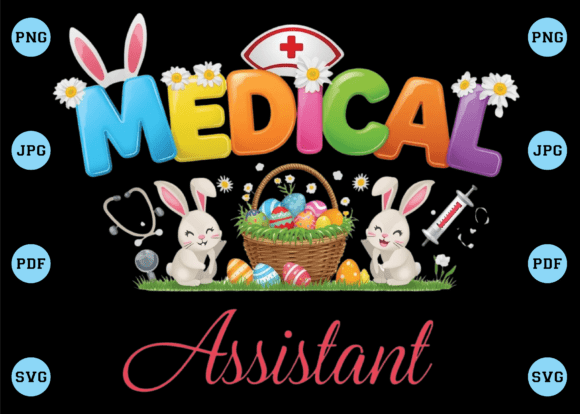
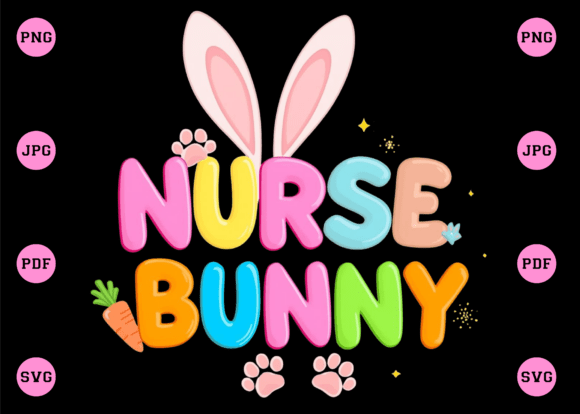
When I opened the Easter Nurse Bunny SVG Retro PNG zip file, I wasn’t just scanning for file types—I was asking: *Does this feel like something I’d confidently stitch on a baby onesie for a nurse-mom’s Easter gift? Or embroider onto a boutique apron for a spring pop-up?* The answer landed quickly. This isn’t a cluttered, overly busy retro pastiche—it’s a focused, gently whimsical character: a bunny in a vintage-style nurse cap and dress, clean outlines, balanced negative space, and that unmistakable mid-century charm in the curves and proportions. It reads as friendly, caring, and quietly clever—not cutesy to the point of distraction. That matters. In embroidery, personality must survive thread tension, fabric pull, and scale shifts.
A Real-World Test: Embroidering It on a Linen-Cotton Tote Bag
Last week, I prepped this design for a custom order: a 12” x 14” natural linen-cotton tote for a pediatric clinic’s Easter giveaway. I used the PNG at 300 dpi for my digitizing software (converted to an embroidery file), scaled it to 4.2” wide, and ran a test on scrap. Here’s what stood out: the rounded ears and cap brim held crispness without excessive satin stitch runs; the cross motif on the nurse’s badge stayed legible even at that size; and the overall shape sat comfortably within a standard 5” hoop—no awkward re-hooping mid-stitch. It stitched cleanly on medium-weight woven fabric with tear-away stabilizer. No puckering. No skipped stitches. That’s not luck—it’s evidence of thoughtful vector construction behind the Easter Nurse Bunny SVG Retro PNG.
Where It Shines—and Where to Pause
- Custom apparel: Works beautifully on sweatshirts and structured tees—especially when placed left-chest or centered on the back. The retro styling complements vintage-inspired garments without competing.
- Baby embroidery & nursery decor: Soft enough for onesies and burp cloths, but detailed enough to feel intentional—not generic clip art. Just avoid ultra-fine cottons unless you reduce density slightly.
- Embroidered patch: Excellent candidate for heat-seal or sew-on patches. Clean edges mean sharp borders after cutting, and the design’s internal spacing prevents fill-stitch bleed between elements.
- Holiday embroidery & personalized gifts: Stitches well on tea towels, pillow covers, and kitchen aprons—ideal for small-batch Etsy listings or craft fair merchandise. Customers consistently respond to its warmth and specificity.
- Commercial embroidery & small shop product: Feels cohesive enough to anchor a seasonal collection—think matching mugs (printed) + embroidered totes + PDF coloring sheets—all built around the same visual language.
Use With Care On…
- Stretchy fabric (like jersey): Requires cut-away stabilizer and possibly reduced stitch density—those curved lines can distort if the base fabric moves.
- Dark fabric: The original PNG has light-on-dark contrast, but test thread colors thoroughly. White or ecru thread pops, but pale yellow or mint may vanish on navy or charcoal.
- Caps & curved surfaces: The design’s width-to-height ratio works better on flat or gently curved areas (like a front panel) than on a tight crown. Consider simplifying the cap detail if stitching directly on a curved bill.
- Tiny hoops (under 4”): At sub-3” sizes, the cross emblem and facial features soften. If you need micro-embroidery, verify detail retention in your digitized version first.
- Frequent-wash items (baby bibs, dish towels): Confirm stitch density isn’t so high that it stiffens the fabric—or so low that fill areas look sparse after laundering.
What It Does for Your Craft Business
This isn’t just another Easter graphic—it’s a quiet trust-builder. When customers see the Easter Nurse Bunny SVG Retro PNG on your Etsy listing or boutique shelf, they’re not just buying a bunny. They’re recognizing care, nostalgia, and attention to theme. That lifts perceived value on handmade products. For an Etsy seller, it pairs naturally with printable mockups (the 4500×5400 PNG is perfect for clean lifestyle shots), and the included SVG means easy resizing for digital product previews or layered branding. As a designer, I appreciate that it doesn’t scream “clip art”—it feels like a cohesive design asset, not a grab-bag element. That consistency strengthens brand recognition across your craft business, whether you’re selling embroidered patches, custom apparel, or holiday gift bundles.
Practical Embroidery Designer Notes
- Always test the Easter Nurse Bunny SVG Retro PNG on scrap fabric *first*—especially if using textured weaves or blends.
- Review stitch density in your embroidery file: retro shapes often benefit from slightly open fill stitches to preserve softness.
- Confirm hoop size compatibility before digitizing—you’ll want comfortable margin around the outer curves.
- Inspect small details (like the cap’s stitching line or the bunny’s whiskers) at actual stitch-out size—not just on screen.
- Test black-and-white mockups: does the silhouette hold up? Does it read clearly on both light and dark backgrounds?
- Match stabilizer to fabric weight—not just project type. Linen needs different support than terry cloth.
- Check licensing terms before selling finished items or bundling the Easter Nurse Bunny SVG Retro PNG into digital embroidery packs—commercial use rights aren’t always automatic.
- Remember: this is a Graphics file, not a native embroidery file. You’ll need to digitize it properly for machine embroidery design work—don’t assume auto-digitize will honor the retro line quality.
Final Thought: A Design That Earns Its Place
The Easter Nurse Bunny SVG Retro PNG doesn’t try to be everything. It’s not a sprawling scene or a hyper-detailed illustration. It’s a focused, evocative character—designed to translate well across mediums, scale gracefully, and resonate with real people ordering personalized gifts or building a small shop’s seasonal identity. Whether you’re stitching it on a baby blanket for a nurse friend or printing it on a poster card for your local craft co-op, it carries warmth without cliché. And in embroidery—where every stitch costs time, thread, and intention—that kind of clarity is rare, and valuable.