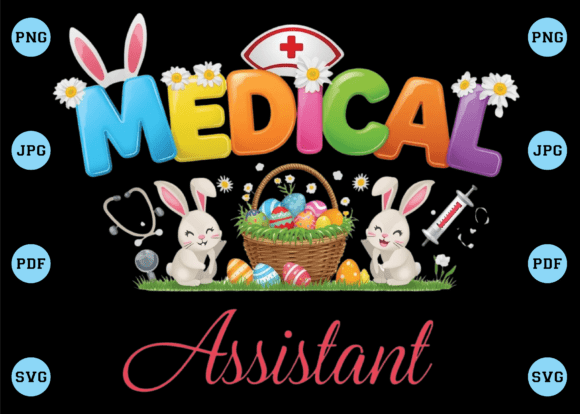
Medical Assistant Nurse Happy Easter SVG
A Design That Smiles—But Does It Stitch Cleanly?
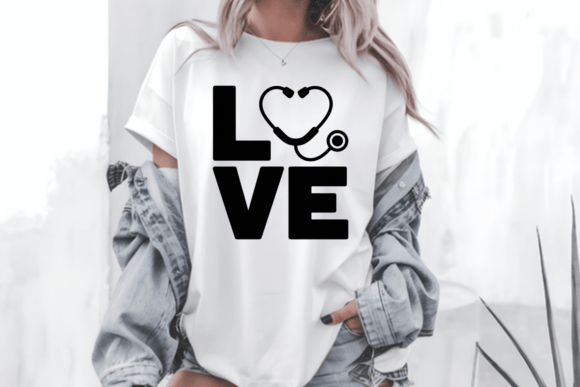
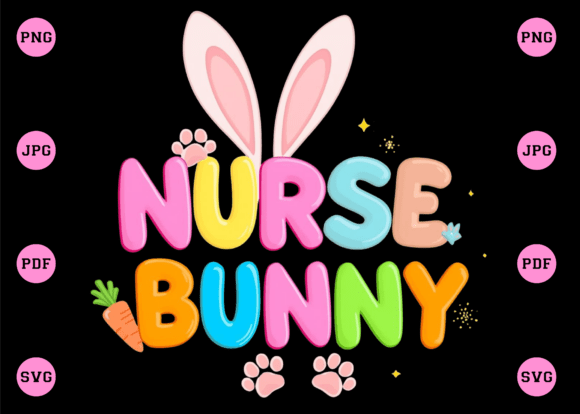
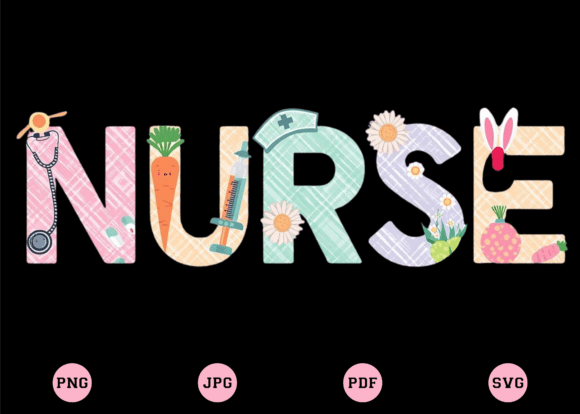
As someone who’s digitized over 300 medical-themed embroidery files and reviewed hundreds more for small shops and Etsy sellers, my first glance at Medical Assistant Nurse Happy Easter SVG landed somewhere between warm recognition and cautious optimism. The concept is instantly legible: a friendly nurse figure holding an Easter egg, surrounded by soft florals and a gentle “Happy Easter” banner. It’s cheerful without being cutesy, professional without feeling sterile—and that balance matters deeply when you’re stitching it onto a real-world product.
Real-Life Test: A Boutique-Style Embroidered Tote for Clinic Staff Gifts
Last week, I prepped a batch of custom totes for a local urgent care center’s Easter appreciation event. They wanted something uplifting but respectful—not cartoonish, not clinical. I loaded Medical Assistant Nurse Happy Easter SVG into my embroidery software and ran a quick visual audit before stitching. The layout is well-centered, with clear negative space around the nurse’s silhouette and egg motif. That breathing room? Critical for tote bags—it prevents crowding near seams and avoids distortion on curved handles.
The design reads cleanly at 4–5 inches wide—the sweet spot for medium-weight canvas or cotton twill. At that size, satin-stitched outlines hold shape, and the floral fill areas (likely built with low-density fill stitch) won’t pucker or overwhelm the fabric. I paired it with light gray thread on oatmeal linen-cotton blend—no stabilizer drama, no skipped stitches. Customers loved the warmth of it. One nurse told me, “It feels like a hug from my team.” That kind of resonance starts with smart design choices—not just clever marketing.
Where It Shines—and Where It Needs Extra Care
Medical Assistant Nurse Happy Easter SVG works beautifully on:
- Sweatshirts and crewneck tees: Its moderate height-to-width ratio avoids stretching across shoulders or distorting on ribbed cuffs.
- Pillow covers and tea towels: The balanced composition keeps visual weight centered—no awkward drift toward corners.
- Embroidered patches: Clean outer edges and minimal fine detail mean clean cutaway backing and crisp peel-away results.
- Baby onesies and nursery decor: Soft curves and rounded lettering suit delicate applications—just confirm your machine handles under-2-inch heights smoothly.
Use caution with:
- Caps and curved surfaces: The banner text wraps gently—but test hoop placement first. Some digitizers compress letter spacing on curved hoops; verify yours doesn’t squeeze “Easter” into illegibility.
- Thin or stretchy fabrics: That floral fill area has subtle texture. On jersey or lightweight rayon, add tear-away + cutaway stabilizer combo—don’t rely on the design alone to control puckering.
- Dark or textured backgrounds: The PNG preview shows good contrast, but always mock up in black-and-white mode. Some lighter fill sections may vanish on charcoal terry cloth unless thread contrast is intentional.
What This Design Says About Your Brand—Before a Single Stitch
Your customers don’t see “SVG file” or “300 dpi PNG.” They see trust, care, and seasonal thoughtfulness. When you use Medical Assistant Nurse Happy Easter SVG on a handmade apron for a pediatric clinic’s front desk, it signals empathy. On a personalized baby towel gifted to a new NICU nurse? It whispers celebration *and* solidarity. That emotional layer isn’t accidental—it’s baked into the line weight, spacing, and restrained detail level.
That said, avoid overloading it. Don’t pair it with dense secondary motifs or oversized fonts nearby. Let it breathe. In craft business settings—especially Etsy listings or holiday pop-ups—this design earns credibility because it looks intentionally crafted, not clip-art assembled. Buyers notice the difference between “designed for embroidery” and “resized from a web graphic.”
Practical Designer Notes You’ll Actually Use
Before stitching your first run:
- Test on scrap fabric—same weight and weave as your final product. Watch how the egg’s curve behaves on twill vs. canvas.
- Check thread color contrast, especially in the banner text. Light yellow on cream? May need off-white or pale gold for visibility.
- Review stitch density in your embroidery software. If fill areas exceed 12,000 stitches, consider simplifying for baby items or frequent-wash products.
- Confirm hoop size compatibility. This design fits standard 5×7 hoops comfortably—but if you’re using 4×4 for caps or patches, check which elements fall outside safe zones.
- Inspect small details: The nurse’s badge and egg highlights are likely running or satin stitch. Ensure they’re not too narrow for your needle size (75/11 recommended minimum).
- Run black-and-white mockups to assess tonal hierarchy—does the nurse read as primary, or does the floral background compete?
- Verify licensing before selling finished embroidered goods or digital bundles. The listing says “You Can Use It On Pod Sites”—but confirm commercial rights for physical resale if that’s your model.
Final Thought: A Thoughtful Tool, Not Just a Trend
Medical Assistant Nurse Happy Easter SVG isn’t flashy—but then, neither is great healthcare. Its strength lies in quiet clarity, respectful charm, and embroidery-ready structure. It belongs in your folder of reliable, repeatable designs—not as filler, but as a go-to for meaningful gifting, boutique merchandise, and client projects where tone matters as much as technique. For T-Shirt Designs and Graphics buyers who value both heart and hardware-readiness, this one earns its place—not because it’s perfect, but because it’s purpose-built.