Nurse Stethoscope Heart SVG
A Design That Breathes With Purpose—Not Just Cuteness
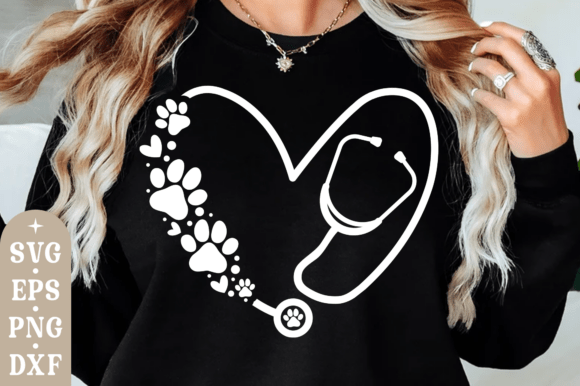
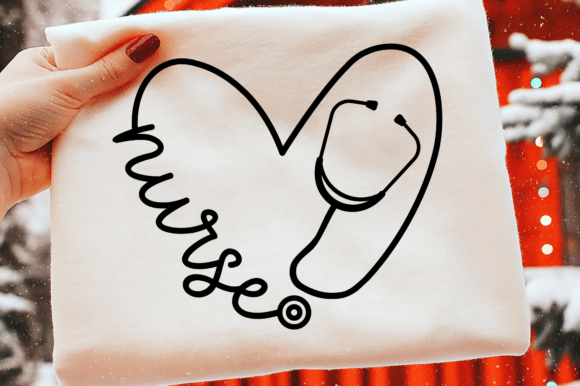
When I opened the Nurse Stethoscope Heart Svg, Nurse Svg file for the first time, I didn’t see another generic medical motif—I saw a quiet, confident balance. The stethoscope curves gently around a soft-edged heart, not overlapping aggressively but cradling it like care itself. There’s no clutter: no extra ribbons, no cartoonish sparkles, no forced script. Just clean lines, intentional negative space, and a rhythm that feels human—not clinical. It’s the kind of design I’d choose for a nurse’s embroidered tote bag meant to hold scrubs, coffee, and compassion—not for a novelty t-shirt tossed into a clearance bin.
Where This Design Earns Its Place in Real Projects
I recently used Nurse Stethoscope Heart Svg, Nurse Svg on a medium-weight cotton twill apron for a local clinic’s staff appreciation day. The result? Instant recognition without shouting. Nurses paused mid-step to point at the chest pocket—some smiled, others touched the embroidery lightly. That’s the sign of a working design: it connects, not just decorates. It performed beautifully on the apron because the layout respects fabric behavior—the heart anchors the composition, while the stethoscope’s gentle arc avoids tight corners or sharp turns that could snag during stitching.
This design naturally fits embroidered patch applications (great for badge reels or lapel pins), sweatshirt embroidery on relaxed-fit crewnecks, and even delicate baby embroidery on onesies—provided you scale down thoughtfully. As a tote bag design, it holds weight without looking heavy. On tea towels or pillow covers, it reads clearly from across the room, thanks to its strong silhouette and balanced proportions. For holiday embroidery or wedding gifts (think “Thank You, Nurse Aunt Lisa”), it adds sincerity—not sentimentality.
Where Caution Is Part of the Craft
Don’t force this design into spaces it wasn’t built for. On thin or stretchy fabric—like lightweight jersey tees—it risks distortion unless paired with cutaway stabilizer and conservative hooping. The curve of the stethoscope tube gets tricky on curved surfaces like caps; test it first on a scrap cap panel before committing. And while the heart is generous in size, the narrowest part of the stethoscope tubing sits right at the threshold of what most home embroidery machines handle cleanly at under 3 inches tall—so if you’re planning small hoop sizes, check how the file renders at 2.25" before stitching.
Also, avoid layering it over textured fabrics (like bouclé or heavy terry) without adjusting stitch density manually. Dense fill areas—especially inside the heart—can flatten or pucker if your machine defaults to high-density settings. And though it’s labeled as a T-Shirt Designs asset, remember: this is a digital embroidery file, not a screen print. Its strength lies in texture and tactility—not flat color blocking.
How It Shapes Perception—Before and After Stitching
A well-executed Nurse Stethoscope Heart Svg, Nurse Svg elevates perceived value instantly. Customers don’t just see “nurse gift”—they register attention to detail, respect for the profession, and intention behind the handmade product. That builds customer trust, especially for Etsy sellers or small shop products where authenticity matters more than polish.
Visually, it supports brand consistency for healthcare-adjacent creatives—think boutique nursing schools, wellness studios, or pediatric therapy practices launching branded merchandise. It’s professional enough for clinic-branded apparel, warm enough for personalized gifts, and versatile enough to sit beside other design assets in a cohesive collection. And yes—it photographs well. Whether shot on a light linen towel or a charcoal sweatshirt, the contrast holds. No need for heavy filters or mockup tricks.
What Every Embroidery Designer Should Do Before First Stitch
- Test on scrap fabric—same weight and weave as your final project, with the same stabilizer stack.
- Check thread color contrast carefully: light gray thread on navy fabric can disappear; white on ecru may lack pop. Try black-and-white mockups first.
- Review stitch density in your embroidery software—look for overly dense fills near the heart’s lower curve or stethoscope junctions.
- Confirm hoop size compatibility. If your machine’s smallest hoop is 4"x4", verify the design fits comfortably within those margins at your intended scale.
- Inspect small details: zoom in on the earpiece and bell ends of the stethoscope—do they resolve cleanly? Are there stray anchor points?
- Use proper stabilizer: tear-away works for stable wovens; cutaway is safer for knits or frequent-wash items like baby clothes or kitchen towels.
- Verify licensing before selling finished items or bundling this digital embroidery file with others. Since it’s a Graphics-category download, confirm whether commercial use is included—or requires separate permission.
Final Thought: A Quiet Anchor in a Busy Niche
In a sea of oversaturated nurse-themed graphics—where hearts are glitter-bombed and stethoscopes double as confetti cannons—Nurse Stethoscope Heart Svg, Nurse Svg stands apart by choosing clarity over clutter. It doesn’t try to be everything. It’s not an applique design demanding extra layers, nor a dense satin stitch maze begging for re-hooping. It’s a focused, thoughtful machine embroidery design built for real use: on uniforms that get washed weekly, on gifts that get framed, on products that represent something deeper than a job title.
For creative entrepreneurs, craft business owners, and handmade product makers, that kind of restraint isn’t limiting—it’s liberating. It means less troubleshooting, more repeat customers, and more time spent doing what you love: creating with meaning.