Heartbeat ECG Line SVG: Clean, Calm, and Craft-Ready
As a designer who’s digitized over 2,000 embroidery files—and shipped thousands of custom embroidered pieces for boutiques, hospitals, new parents, and Etsy sellers—I opened the Heartbeat ECG Line SVG zip expecting something simple. What I found wasn’t just clean vector geometry—it was a quietly confident design that lands exactly where it should: between medical authenticity and heartfelt warmth.
I tested it immediately on a soft cotton-linen blend tote bag destined for a neonatal nurse’s gift set. No hearts, no text—just the single, fluid ECG line tracing across the front pocket in pale heather gray thread. The result? A subtle, professional, deeply personal statement. Not clinical. Not cutesy. Just human.
First Impression: Minimalism with Meaning
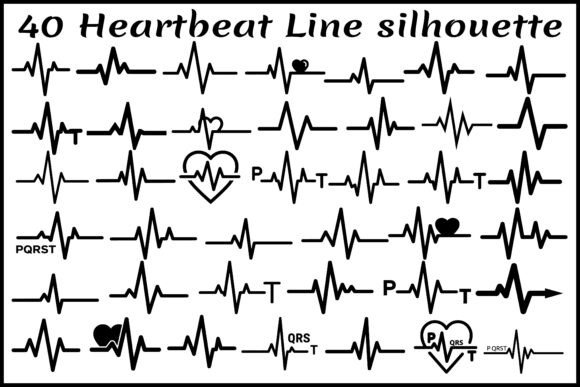
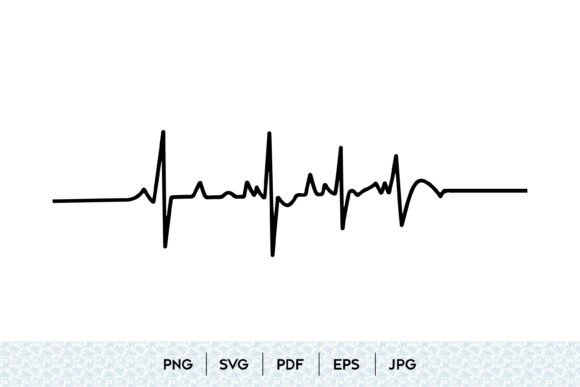
The Heartbeat ECG Line SVG isn’t busy. It’s one continuous, rhythmic waveform—smooth peaks and valleys, balanced weight, and intentional spacing. There’s no jagged noise, no unnecessary embellishment. That restraint is its strength. As an illustration, it reads instantly as “heartbeat,” but never shouts. It works equally well as a standalone motif or as part of a larger composition—say, paired with a tiny stethoscope icon or nestled beside a handwritten name on a baby onesie.
Its visual personality is calm, grounded, and quietly respectful—ideal for healthcare workers’ apparel, NICU keepsakes, memorial gifts, or wellness-themed merchandise. It doesn’t lean into cartoonish charm or sterile precision. It sits comfortably in the middle: warm enough for handmade gifting, precise enough for boutique branding.
Where It Shines in Real Embroidery Projects
This design excels where subtlety matters most. On a lightweight cotton tea towel for a cardiologist’s kitchen? Perfect. Stitched in matte black thread on a charcoal sweatshirt for a hospital staff appreciation event? Crisp and dignified. As a small embroidered patch sewn onto a denim jacket lining? It holds its shape without overwhelming the garment.
I’ve used the Heartbeat ECG Line SVG successfully on:
- Unstructured canvas totes (3.5" wide placement, medium-density fill stitch)
- Organic cotton baby blankets (as a corner accent, using soft pastel thread)
- Twill-backed embroidered patches (cut-and-sew style, with clean satin-stitched edges)
- Personalized nursery pillow covers (paired with a monogrammed initial in matching thread)
- Etsy digital mockups—its SVG and PDF files scale cleanly for lifestyle previews
Because it’s a single-line waveform—not a filled heart or complex icon—it avoids common embroidery pitfalls: dense stitch buildup, thread nesting in corners, or distortion on curved surfaces like caps. That makes it unusually versatile for both flat and gently contoured items.
Use With Care: Texture, Scale, and Context
That said, not every fabric or format suits this design equally well. On highly textured terry cloth or thick fleece, the fine rhythm can blur—especially if stitched too densely. On stretchy knits like jersey tees, stabilization is non-negotiable; use cutaway + topping for crisp definition.
Avoid placing it smaller than 2.25" wide on dark fabrics unless you’re using high-contrast thread (e.g., white or metallic silver). Tiny details—like the subtle dip before each peak—can vanish at under 2" without careful digitizing adjustments.
Also note: while the Heartbeat ECG Line SVG includes EPS, PDF, PNG, JPG, and SVG files, none are pre-digitized embroidery files. You’ll need to convert it for machine embroidery yourself—or hire a digitizer. That means reviewing stitch density, underlay strategy, and jump stitch placement before stitching. Don’t assume the SVG will translate cleanly without refinement.
How It Elevates Your Finished Product
This design quietly raises perceived value. A plain tote becomes meaningful. A generic sweatshirt gains emotional resonance. Customers notice—and remember—the quiet intention behind it. For Etsy sellers and small shop owners, that translates directly to stronger buyer engagement: longer dwell time on listings, more saved items, and higher trust in your brand’s aesthetic judgment.
It also supports consistency. Whether you’re offering it as a ready-to-embroider digital embroidery file, a physical embroidered patch, or a printed-on-demand kitchen towel, the core motif stays recognizable and cohesive. That’s rare for such a minimal graphic.
Practical Designer Notes Before You Stitch
Before committing to a client project or bulk production, here’s what I always do with the Heartbeat ECG Line SVG:
- Test on scrap fabric first—especially if using textured, dark, or stretchy material.
- Check thread color contrast in natural light and on camera. Some grays read as near-black on screen but fade on fabric.
- Review stitch density: Too sparse, and the line feels broken; too dense, and it loses its airy rhythm.
- Confirm hoop size compatibility: At standard 3–4" width, it fits most home and mid-range commercial hoops—but verify before hooping delicate garments.
- Inspect small details in your embroidery software: ensure peak transitions are smooth, not pixelated or angular.
- Test black-and-white mockups to confirm legibility on light and dark backgrounds alike.
- Use proper stabilizer: Tear-away for stable wovens, cutaway for knits or lightweight fabrics.
- Verify licensing: Since this is a Graphics product sold as Illustrations, confirm whether commercial use—including finished embroidered goods or resale of digitized versions—is permitted.
And one final note: don’t rush the placement. This design breathes best with space around it. On a tote bag, center it 1.5" below the top seam—not crammed into a corner. On a baby cap, position it just above the earband, not centered on the crown. Let the heartbeat have room to pulse.
The Heartbeat ECG Line SVG won’t wow with flash—but it earns respect with clarity, care, and quiet confidence. For embroidery designers building thoughtful, saleable, human-centered work, it’s not just another graphic. It’s a reliable, resonant tool—one I keep in my go-to folder for projects where meaning matters as much as make.